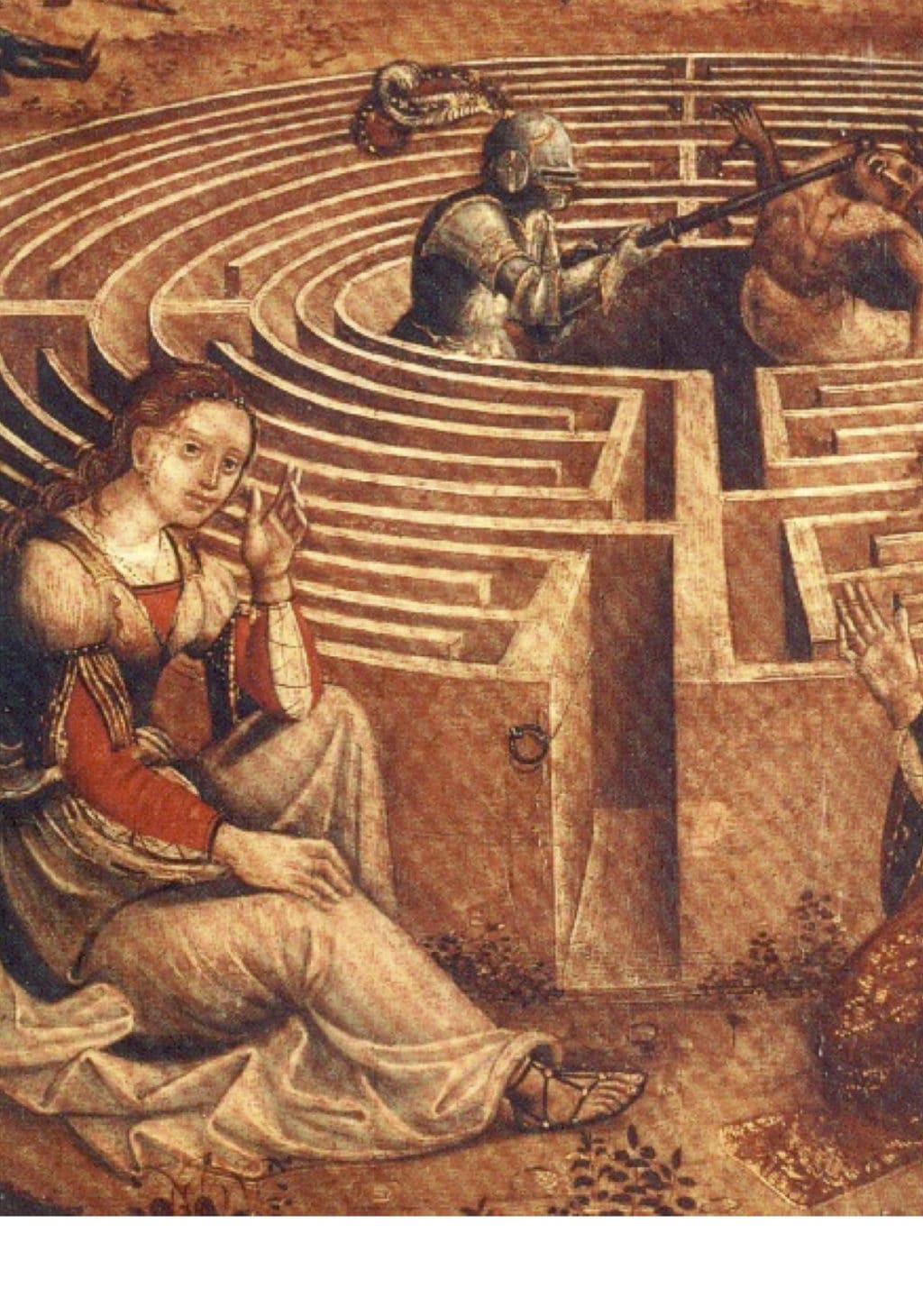

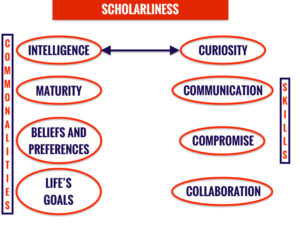
Scholarliness is a combination of the skill of Curiosity with the trait of intelligence. Curiosity, you may remember, is largely composed of the core psychological skill of Observing Ego, paired with an educated eye, full of "left brain" ability for detail, history, and organization. The skill of curiosity is universally useful, no matter what one's intelligence level is, but in the absence of the latter, a curious person may have a lot of obstacles and pitfalls to overcome on their life's path - like the medieval fictional character, Parcival, noble, but rife with mistakes and lessons before getting to his goals. As a result, it is very advantageous to pair someone with both ample book-learning education, yet also with a robust set of lessons in life's experience, and an inborn gift of intelligence from the start - the large capacity to efficiently fill up on both forms of learning: education AND experience. Scholarliness has bearing on our performance in phase three - intellectual attraction - step eight, where we seek to amplify the best virtues toward our goals.
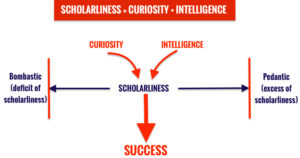 And so in the case of the “scholarliness” of a partner which affords a “teammate in life” who can rise to the occasion of accurately help setting goals and achieving them based on data, good information, the use of logic, with the adaptation to still team up in times of struggle or challenge - such as being an avid reader, or having frequent dinner guests with lively conversation - we can provide these little conversational tests of scholarliness.
Meanwhile we may be on the lookout for signs of frequent “pedantry” or “bombast” - for example, the frequent citing of one’s own education as the force of an argument rather than looking at the facts, the reliance on emotional arguments, again rather than facts, or the biggest one of all: clearly and frequently pursuing “being right” in a discussion rather than pursuing harmony and happiness for the couple. In other words, “would you rather be right, or rather be happy if you could choose only one?” This is a revealing conversational test of both pedantry and bombast.
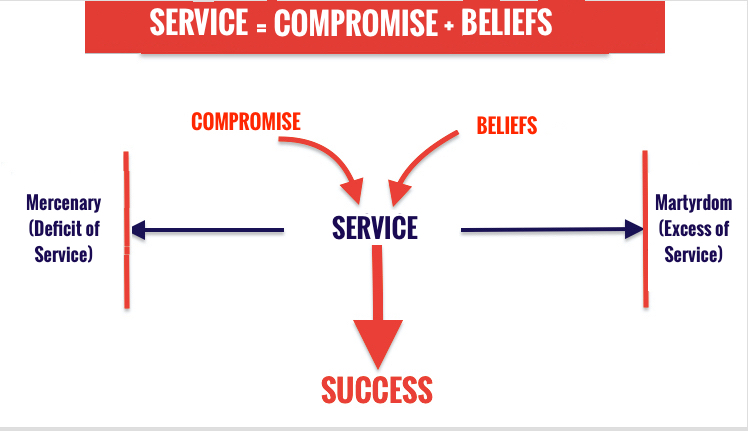 From Aristotle's Golden Mean, we learn that every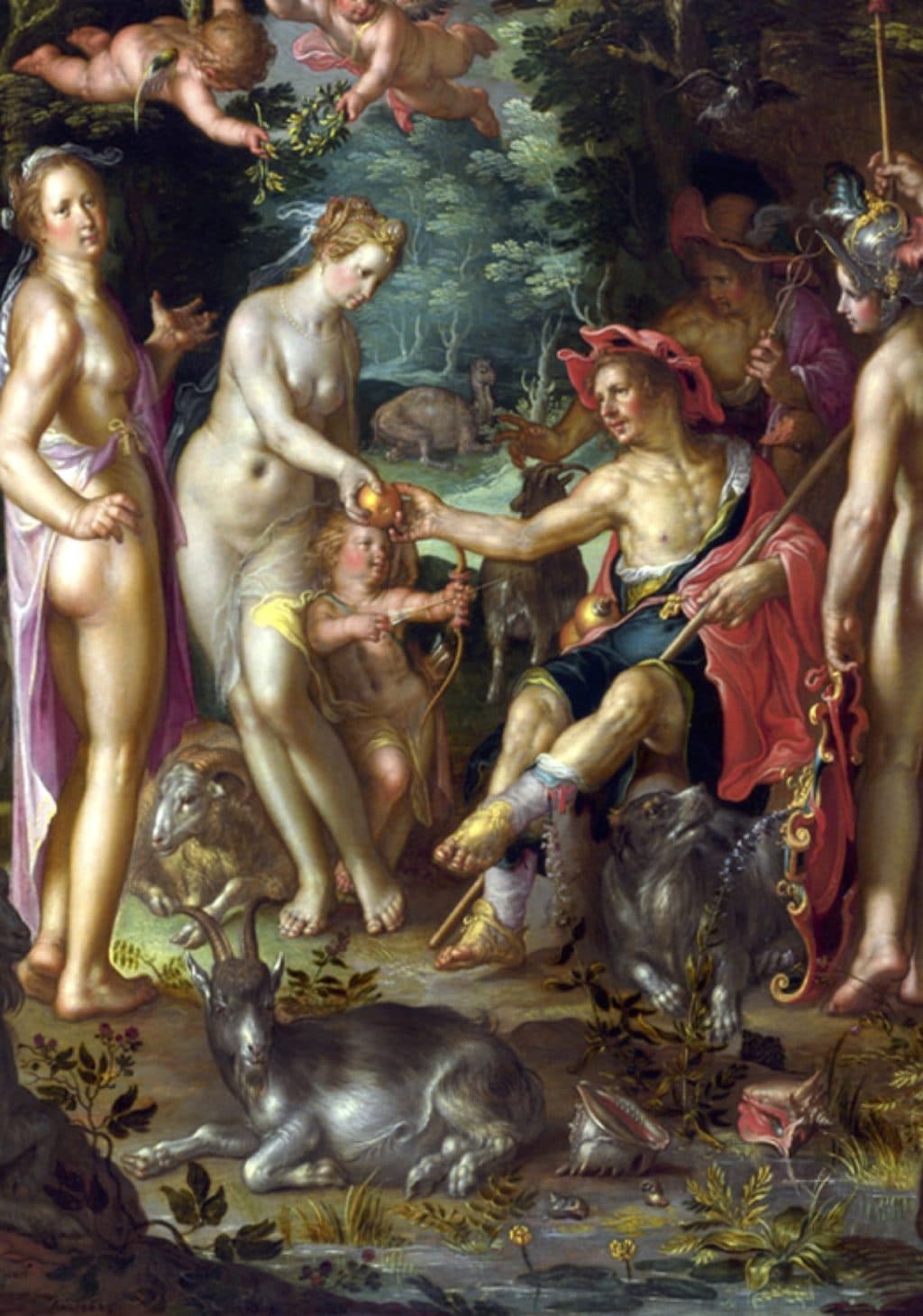









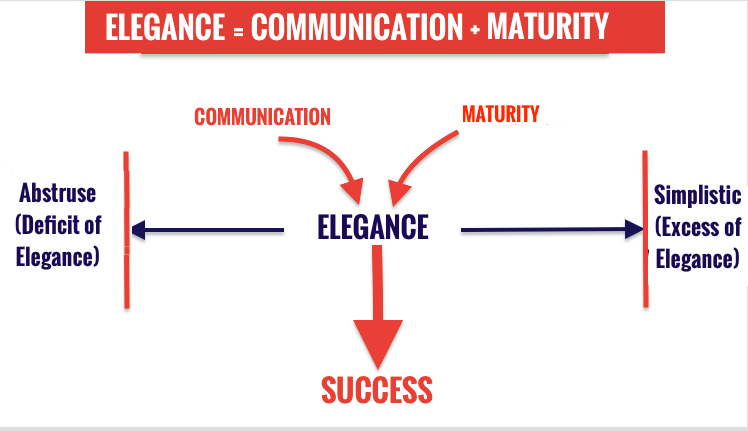 Being overly simplistic is a character "
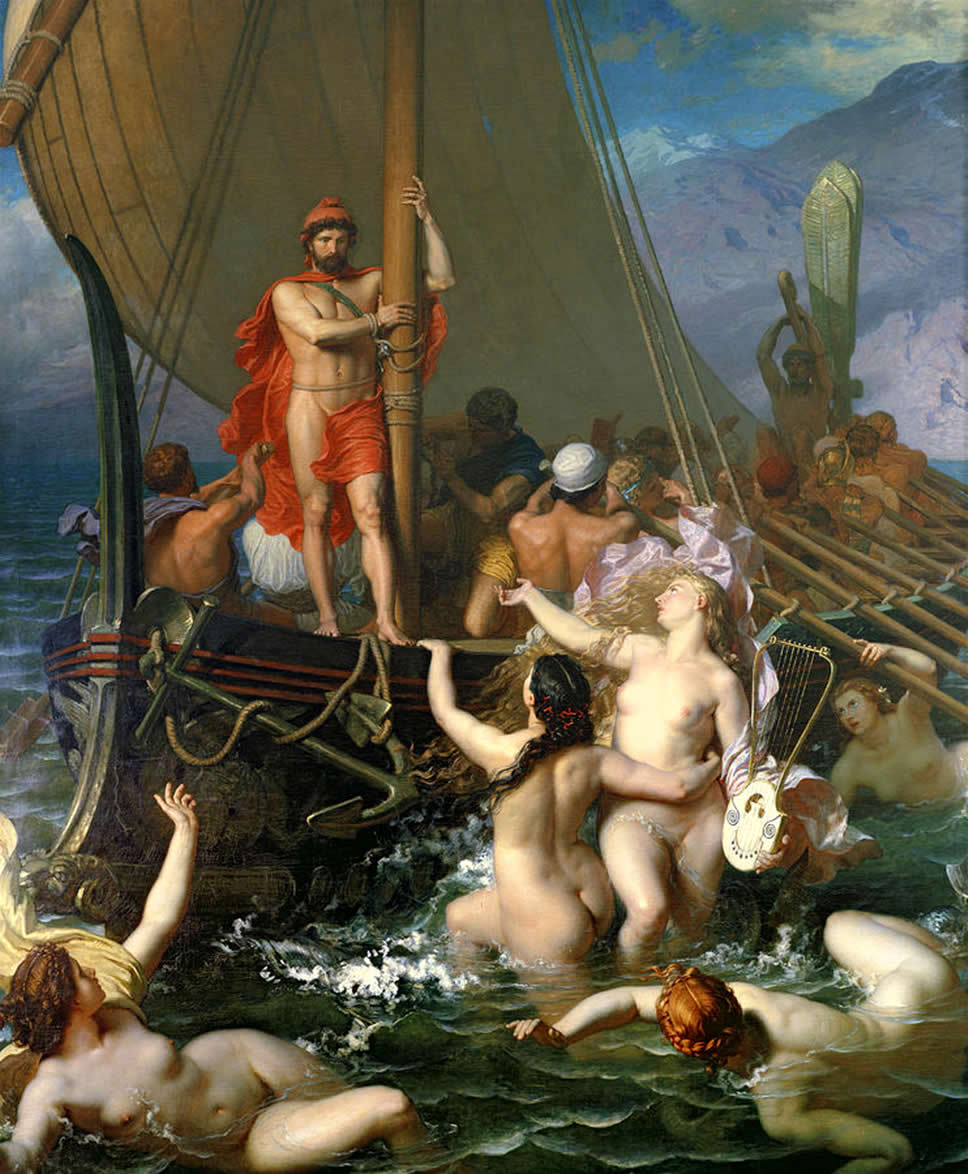 Sirens were believed to combine women and birds in various ways. In early Greek art, Sirens were represented as birds with large women's heads, bird feathers and scaly feet. Later, they were represented as female figures with the legs of birds, with or without wings, playing a variety of musical instruments, especially harps.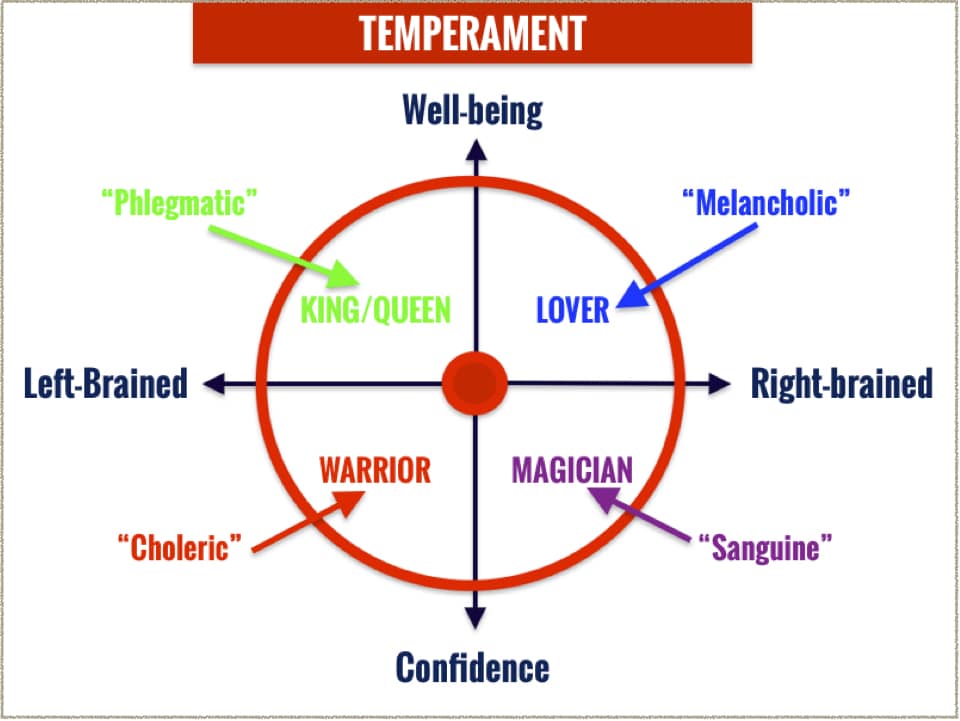
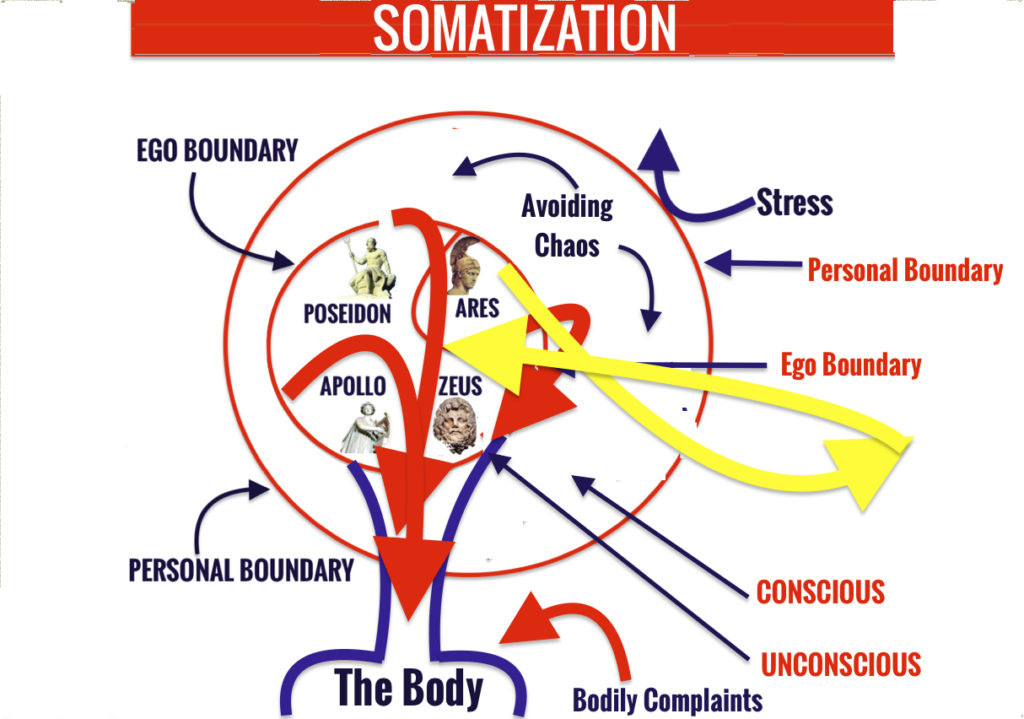
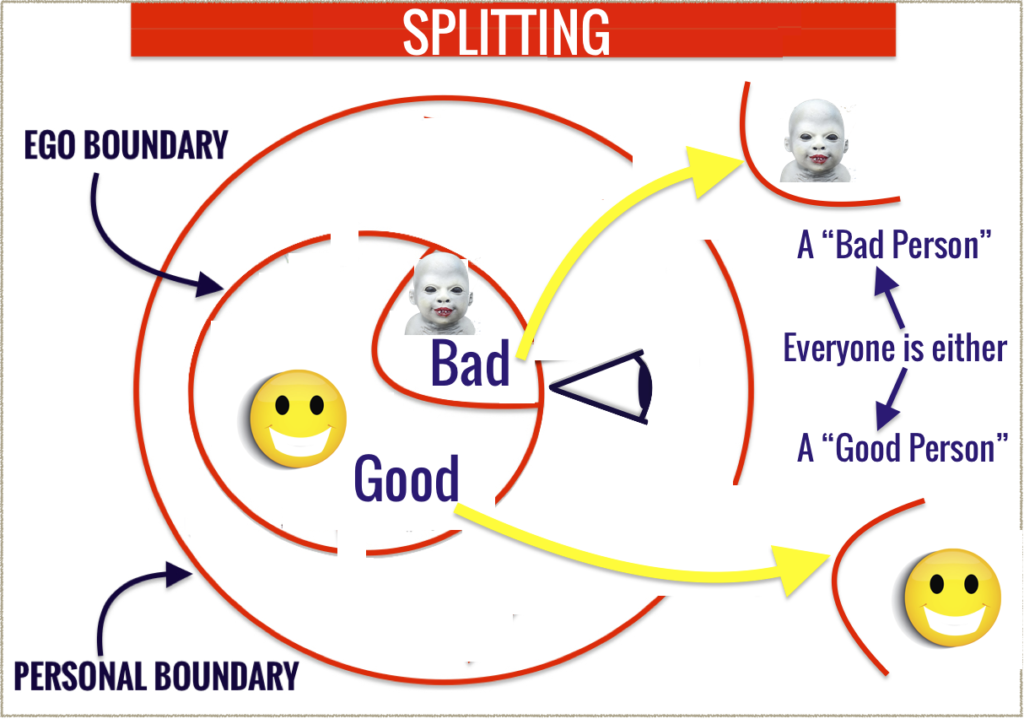
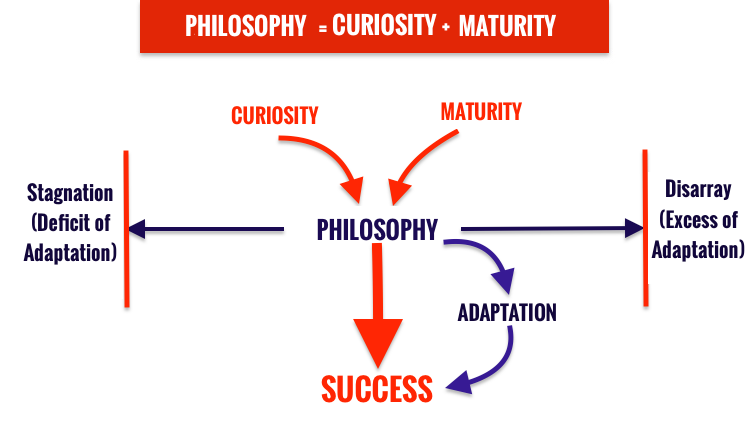 Stagnation is an deficit of adaptation to the world around us, and adaptation is a major gift of the
 Where
Where 
 If all three steps of
 For Step 4, Finding
 For Step 5, "Finding